Wednesday 09 / September / 2026
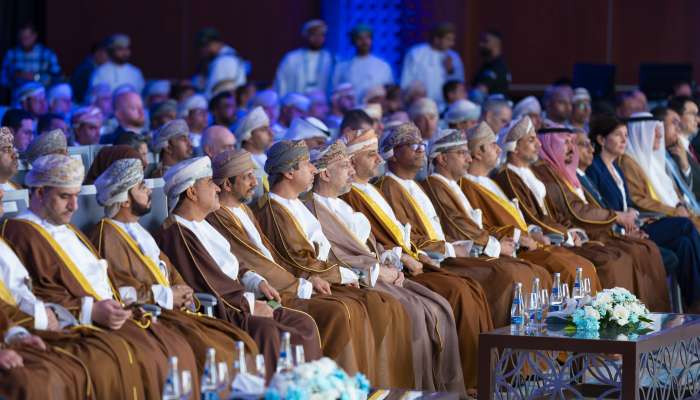
Muscat: The activities of Oman Sustainability Week (OSW) and the Oman Petroleum & Energy Show (OPES) 2026 commenced on Monday at Oman Convention and Exhibition Centre (OCEC).
The events underscore the Sultanate of Oman’s strategic direction toward energy transition and sustainability, featuring extensive local and international participation.
The opening ceremony was held under the auspices of HH Sayyid Harib Thuwaini Al Said, Assistant Secretary-General of the Council of Ministers for Conferences at the Diwan of Royal Court.
This year, Oman Sustainability Week 2026 is held under the theme "Sustainability in Action: Innovation, Investment, Impact," highlighting the vital importance of turning sustainability ambitions into measurable outcomes through cooperation, technology, and strategic investment.
Meanwhile, Oman Petroleum & Energy Show 2026 is organised under the theme "Winning Through Collaboration: Achieving a Sustainable Energy Future," emphasising the pivotal role of partnerships, innovation, and integrated industrial efforts in keeping pace with global transitions within the energy sector.
Eng. Salim Nasser Al Aufi, Minister of Energy and Minerals, affirmed that the Sultanate of Oman continues to consolidate its sustainability approach across various developmental sectors by implementing strategic projects and initiatives that support the energy transition and balance economic growth with environmental preservation.
In his speech, he pointed out that electricity generation from renewable energy sources reached approximately 9 percent of total electricity production last year. This coincided with the launch of the Manah 1 and Manah 2 solar energy projects, which possess a total production capacity of 1 gigawatt.
He explained that the Sultanate of Oman has launched the National Net-Zero Strategy and the regulatory framework for carbon markets, while completing the National Energy Transition Plan. These milestones reflect its commitment to building a low-carbon economy based on innovation and sustainability, alongside supporting green mobility plans, expanding electric vehicle usage, and enhancing waste management and utilisation projects.
Furthermore, he added that Oman is pressing ahead with its efforts to develop and boost investments in the oil and gas sector, while simultaneously adopting modern technologies that contribute to reducing emissions and achieving environmental sustainability.
Moreover, he noted that the Sultanate of Oman is committed to achieving the "Zero Routine Flaring" target by 2030, noting that the sector has successfully reduced flaring operations by 50 percent to date. Renewable energy projects, water management, and green areas have also been integrated into oil and gas concession areas, thereby accelerating climate action and preserving the environment for future generations.
The opening ceremony witnessed the launch of the Corporate Social Responsibility (CSR) Developmental Foundation for the Energy Sector, named "Rekan." It will serve as a national umbrella to integrate efforts and unify community initiatives within the energy and minerals sector, maximising developmental and social impacts while establishing a sustainable partnership between the sector and the community.
Mohsin Hamad Al Hadrami, Undersecretary of the Ministry of Energy and Minerals and Chairman of the Board of Directors of the Energy Sector CSR Developmental Foundation, emphasised that launching the institutional identity "Rekan" represents a significant milestone in the energy sector's community work. It reflects a national direction aimed at enhancing integration among sector companies to achieve a sustainable developmental impact that places people at the core of development.
He explained that the initiative originally began in 2018 through an alliance of eight companies in the oil and gas sectors, driven by a shared belief that social responsibility represents a long-term national commitment. He noted that the ministerial decision to officially establish the Energy Sector CSR Developmental Foundation has laid the groundwork for a more organized and sustainable phase grounded in governance and maximized developmental impact, aligning with the goals of Oman Vision 2040.
He revealed that over the past ten years, the foundation has executed 11 social projects with a total expenditure exceeding OMR15.5 million, covering health, education, youth empowerment, and community infrastructure. He stressed that the true value of these initiatives lies in their direct impact on improving the community's quality of life and promoting sustainable development opportunities.
He noted that "Rekan" seeks to shift from traditional support models to sustainable empowerment by executing developmental projects that address the actual needs of society. This approach strengthens the partnership and integration among energy sector institutions to achieve a broader and more sustainable impact across all governorates of the Sultanate of Oman.
For his part, Eng. Mohammed Ali Al Aghbari, Manager of External Affairs, Government Relations, and Communication at Petroleum Development Oman (PDO), stated that the wide participation of industry leaders, decision-makers, and technology pioneers in this event reflects a collective eagerness to develop practical solutions that match current requirements, balancing energy security, economic growth, and sustainability targets. He pointed out that this event serves as an effective platform to boost cooperation, exchange expertise, and attract investments, thereby shaping the future of the energy sector both in the Sultanate of Oman and the wider region.
Regarding Italian participation, Pierluigi D'Elia, Ambassador of the Republic of Italy to the Sultanate of Oman, stated that the Oman Petroleum & Energy Show and Oman Sustainability Week 2026 embody Oman’s growing role as a regional hub for strategic dialogue, innovation, and international cooperation in the energy and sustainability sectors. He noted that Italy's participation in these prominent platforms offers genuine opportunities for cooperation between Italian and Omani institutions and companies in renewable energy, circular economy solutions, sustainable infrastructure, advanced engineering, and industrial technologies.
Together, Oman Petroleum & Energy Show and Oman Sustainability Week serve as an integrated platform reflecting Oman’s strategies to enhance energy security, support sustainability, stimulate industrial growth, and solidify its position as a regional hub for dialogue, cooperation, and investment in energy and future technologies.
The event attracts widespread participation from regional and international institutions and companies operating in the energy, sustainability, infrastructure, technology, and mobility sectors, alongside the organization of field programs, technical visits, and working sessions.
The dual events feature more than 500 speakers and international experts and are expected to attract over 50,000 visitors and professionals from around the world, confirming the Sultanate of Oman's rising status as a regional platform for dialogue and decision-making in energy and sustainability.
Oman Petroleum & Energy Show and Oman Sustainability Week 2026 present a comprehensive program encompassing exhibitions, conferences, Continuing Professional Development (CPD) certified sessions, C-suite roundtables, technical workshops, investor networking forums, and field visits, creating a dynamic environment for knowledge exchange, strategic partnerships, and regional and international business development.
Oman Petroleum & Energy Show 2026 offers an advanced schedule of panel and technical sessions discussing the future of energy transition, the role of oil and gas in the global energy mix, carbon reduction strategies, and the integration of conventional and clean energy, alongside the expansion of green hydrogen and renewable energy projects in the Sultanate of Oman.
The sessions also cover advanced topics including artificial intelligence, big data analytics, industrial automation, and digital transformation in exploration and production operations, as well as predictive maintenance technologies aimed at increasing operational efficiency, reducing operational risks, and cutting emissions.
Among the prominent sessions included in the programme is a panel titled "Energy Transition, Renewable Energy, and ESG Criteria," which discusses the accelerating shift toward a low-carbon economy and the requirements for building a balanced energy system that preserves energy security while supporting net-zero targets. This is accompanied by specialized sessions on power grid integration, carbon management, Carbon Capture, Utilization, and Storage (CCUS), and the future of hybrid energy systems.
The event also hosts specialised technical presentations in cooperation with the Society of Petroleum Engineers (SPE), showcasing the latest innovations in upstream activities, enhanced oil recovery (EOR) technologies, well management, and industrial equipment reliability optimisation, alongside sessions reviewing successful technical projects and experiences within Oman’s oil and gas sector.
The accompanying strategic sessions discuss the future of natural gas as a primary element in the global energy transition, the role of liquefied natural gas (LNG) in bolstering global energy security, and the challenges associated with market volatility, supply chains, and long-term investments in energy projects.
Additionally, the sessions touch upon the Sultanate of Oman's role in developing an integrated energy ecosystem that spans oil, gas, renewable energy, and green hydrogen, which enhances its position as a regional hub for low-carbon energy.
Highlighting the conference agenda is a core focus on CCUS projects, recognised as one of the leading technical solutions supporting the achievement of net-zero emissions. International companies are showcasing the latest innovations in carbon management, industrial emissions reduction technologies, and solutions linked to decarbonising heavy industries and the energy sector. Discussions also cover investment opportunities in clean energy technologies alongside regulatory and legislative challenges facing global carbon markets.
Oman Sustainability Week 2026 presents a diverse program of conferences and specialised sessions discussing the future of sustainable development and the transition toward a green economy, focusing heavily on turning visions and strategies into practical projects with tangible economic and environmental impacts.
The sessions include key topics such as renewable energy, green hydrogen, water security, water desalination, the circular economy, waste management, biodiversity, climate resilience, smart infrastructure, sustainable mobility, and green finance, in addition to developing smart cities and linking technology to urban sustainability.
The program features specialised sessions discussing the future smart city, while reviewing modern urban projects such as Sultan Haitham City, and examining the role of digital infrastructure, data, and smart connectivity in building more sustainable and efficient cities.
Other sessions address the integration of energy, water, and climate change as an interconnected system requiring unified planning to ensure resource security and enhance the resilience of national infrastructure.
Oman Sustainability Week dedicates extensive sessions to the future of sustainable mobility, covering electric vehicles, charging station infrastructure, smart transport solutions, and hydrogen technologies in the transport sector. This is accompanied by a review of international experiences in reducing transport-related emissions and enhancing urban mobility system efficiency.
The events also feature exhibitions of electric vehicles and low-emission mobility solutions, alongside specialized pavilions for environmental technology, smart solutions, clean energy, and waste management and recycling technologies.
The program further tackles water security issues and natural resource management as critical future challenges. Sessions discuss low-energy-consumption desalination technologies, water reuse, and smart solutions for water network management. They also highlight the integrated relationship between water, energy, food, and climate change, and the importance of adopting resilient solutions that support resource sustainability in arid environments.
Additionally, the programme includes panel discussions investigating the role of financial institutions, banks, and investment funds in financing clean energy and sustainability projects, the mechanisms of issuing green bonds, and the development of economic incentives that support the transition toward a low-carbon economy, while reviewing global market trends in sustainable investment.
Other sessions deal with the importance of Environmental, Social, and Governance (ESG) criteria and their growing role in enhancing corporate competitiveness and attracting international investments. These sessions outline how to integrate these criteria into the strategies of industrial and energy companies, measure the environmental and social impacts of projects, and strike a balance between economic growth and environmental sustainability.
Among the standout events of Oman Sustainability Week 2026 is the International Sustainability Resources and Technology Conference (ISRTC), organised by Oman Environmental Services Holding Company "be'ah." The conference brings together stakeholders from across the world to discuss renewable energy, hydrogen, water security, biodiversity, circular economy strategies, sustainable investment paths, and the role of innovation in fostering climate resilience and achieving sustainable development goals.
Strategic discussions during the week are led by C-suite meetings featuring a select group of leaders and decision-makers. These sessions focus on innovation, digital transformation, production growth, carbon competitiveness, cost optimization, green capital mobilization, and the commercialisation of clean technologies, alongside developing policies that support industrial transition and sustainable energy.
The activities also include the organisation of specialised field visits, allowing participants firsthand insight into renewable energy projects, smart infrastructure, and circular economy initiatives in the Sultanate of Oman, thereby enhancing the exchange of expertise and applied knowledge between local and international institutions.
The pavilion of the Ministry of Transport, Communications and Information Technology participating in the event witnessed the signing of two memoranda of understanding in the fields of unmanned aerial vehicles (drones) and logistics, supporting the shift toward green mobility and the reduction of carbon emissions.