Tuesday 21 / July / 2026
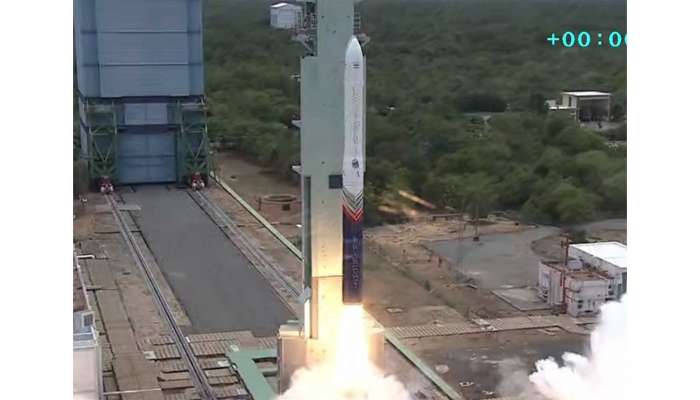
New Delhi: India's successful launch of Vikram-1, the country's first privately developed orbital rocket, marks a historic milestone for its commercial space industry. However, the long-term success of the sector will depend on sustained investment, supportive policies and a robust industrial ecosystem, according to an editorial published by Global Times.
The publication described Vikram-1's orbital mission as the start of "a new chapter" in India's space journey, noting that the successful launch by Skyroot Aerospace places India among a small group of nations, including the United States and China, where private companies have demonstrated orbital launch capabilities.
The editorial said the achievement comes at a time when the global commercial space industry is poised for significant growth, driven by expanding demand for satellite-based services, artificial intelligence and the digital economy. A growing global market, it argued, could create opportunities for greater private-sector participation, innovation and investment.
While calling Vikram-1's success a welcome development, the article stressed that the launch represents only the beginning of India's commercial space ambitions.
According to the editorial, building a globally competitive space industry requires far more than successful rocket launches. It said commercial space depends on a broad industrial base, including advanced manufacturing, high-tech materials, reliable supply chains, sustained investment and a growing market for space-based services.
The publication also noted that Vikram-1 could provide momentum for India's wider industrial development, but converting that momentum into long-term growth would depend on the country's strategic policy decisions and its ability to attract both domestic and international investment.
Citing Indian media reports, the editorial pointed out that Skyroot Aerospace still faces significant commercial challenges despite the successful launch. It referenced The Hindu, which noted that a single successful mission would not automatically guarantee business success, while the BBC reported that Vikram-1 is only the first of two planned test flights by the company this year.
The editorial contrasted India's emerging commercial space ecosystem with those of the United States and China, where private space industries have developed over many years through sustained investment and technological advancement.
Highlighting China's progress, the article said the country completed 50 space launches in 2025, including 25 commercial launch vehicle missions, placing 311 commercial satellites into orbit. It also noted that more than 600 commercial space companies were operating in China by the end of 2025, reflecting rapid growth in the sector.
Despite acknowledging that India's commercial space industry remains at an earlier stage of development, the editorial said the country's prospects remain strong if it can leverage its own strengths and build a competitive ecosystem suited to its industrial landscape.
It concluded that an open investment environment—welcoming both domestic and international investors on equal terms—could prove just as important as technological breakthroughs. Greater access to global capital, technology and supply chains, it said, would strengthen India's manufacturing base and provide a solid foundation for the continued growth of its commercial space sector.