Thursday 26 / November / 2026
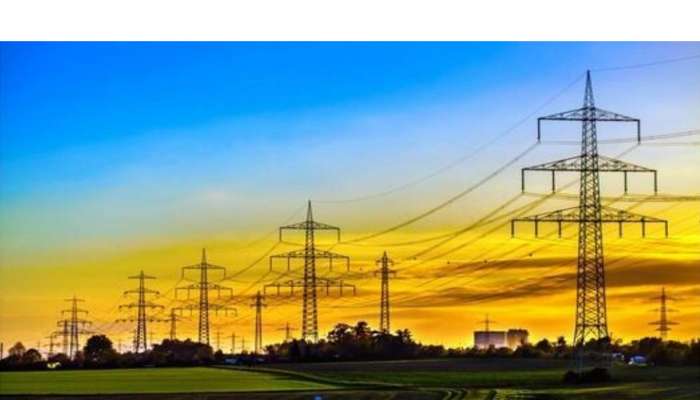
India has set an ambitious target of expanding its non-fossil electricity generation capacity to 900 gigawatts (GW) by 2035, nearly doubling its existing 2030 target, while approving almost $20 billion in investments to strengthen power transmission infrastructure and battery storage.
The initiative comes as the world's most populous country accelerates its clean energy transition, emerging as one of the fastest-growing markets for renewable power. The target, announced in September, includes solar, wind, hydropower and nuclear energy and is expected to support electricity supplies for more than one billion households.
India currently has slightly more than 300 GW of clean power capacity, ranking third globally behind China and the United States. Its new 2035 ambition represents a significant increase over the existing target of 500 GW by 2030.
However, inadequate transmission infrastructure remains a major challenge, preventing some of the renewable electricity generated from reaching consumers.
An expert stressed that expanding the transmission network would be essential to achieving the target, noting that generation capacity alone would not be sufficient without a robust and innovative power grid.
To address these bottlenecks, the government has approved nearly $20 billion for transmission infrastructure and battery storage under its Green Energy Corridor programme.
Economists and energy experts believe the expansion could reduce electricity costs, limit the need for additional coal-fired power plants and accelerate India's transition towards cleaner energy sources.
Economist Ajay Shah of Mumbai-based XKDR Forum described the emerging transformation as an Indian 'electrostate', where electricity increasingly replaces coal and petroleum products. He said access to affordable labour and cheaper energy could strengthen India's economic competitiveness.
The shift also reflects a broader global movement towards cleaner electricity as demand rises, although fossil fuels continue to play a significant role in meeting energy requirements.
India's renewable energy expansion could help industries reduce dependence on expensive imported fossil fuels by increasing the use of domestically generated electricity. Abhyankar said solar and wind power, particularly when supported by battery storage, are becoming increasingly competitive with coal, oil and natural gas.
Lower generation costs could eventually translate into more affordable electricity for households and businesses, although final tariffs will also depend on transmission expenses and other costs incurred by utilities.