Sunday 26 / July / 2026
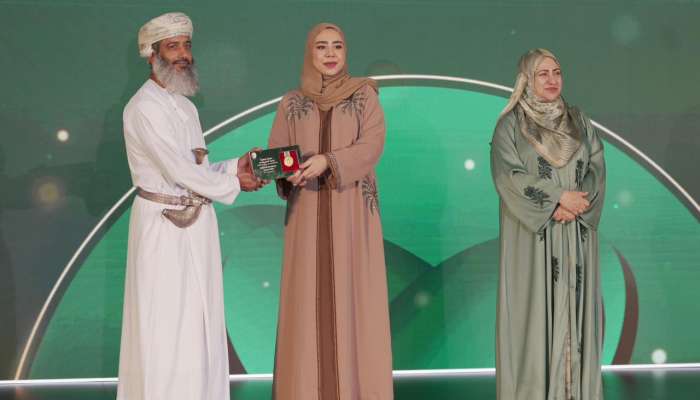
Nizwa: A landmark research project on the development of a 3D-bioprinted wound dressing in the health sector has secured first place in the 2025 National Award for Scientific Research, presented during the Annual Researchers Forum under the theme “Research Published… Visions Realised.”
The pioneering study was led by Dr. Sulaiman bin Ali Al Hashmi, Head of the Stem Cell and Regenerative Medicine Laboratory at the Natural and Medical Sciences Research Centre, University of Nizwa. Recognised as one of the most distinguished scientific works of the year, it has garnered widespread acclaim for its significant contributions to regenerative medicine and the treatment of chronic wounds.
In a statement to the Oman News Agency (ONA), Dr. Al Hashmi said the research concept emerged from a long-term scientific investigation into stem cells and tissue engineering, combined with close observation of clinical challenges related to chronic wounds—particularly those resulting from diabetic complications, given the rising number of cases in the Sultanate of Oman and the associated healthcare challenges.
He explained that the study addresses a key gap in traditional wound care, which often focuses on covering the injury without actively stimulating tissue regeneration.
By applying 3D bioprinting within a regenerative medicine framework, the team developed an advanced bioactive dressing that provides a dynamic, healing-conducive environment for more effective and sustainable recovery.
He pointed out that the dressing—fabricated from carboxymethyl chitosan and loaded with the drug Tacrolimus—represents a paradigm shift in wound management. It goes beyond mere protection to actively modulate inflammation, promote tissue renewal, and enable controlled drug release, thereby improving therapeutic efficiency and outcomes.
Dr. Al Hashmi noted that results from both laboratory studies and animal models have shown promising indicators of accelerated wound closure and reduced inflammation. He emphasized, however, that the treatment remains experimental and has not yet entered human trials, with safety studies and clinical testing still required in the coming phases.
Among the key challenges faced during the project were the technical complexities of developing a biocompatible, 3D-printable biomaterial and limitations in the specialized infrastructure needed to transition from lab research to clinical application.
These hurdles, he added, ultimately strengthened the team’s research methodology and fostered a culture of innovation and collaboration.
He stressed that specialized research laboratories are essential pillars for building a competitive national research ecosystem. Work within the Stem Cell and Regenerative Medicine Laboratory is founded on interdisciplinary expertise, with every achievement regarded as the product of shared effort and collective vision.
He affirmed that the laboratory places high priority on nurturing young Omani talent—both men and women—as a vital human investment to ensure the sustainability of scientific inquiry. Future plans include attracting more early-career researchers and expanding local and international research partnerships.
Looking ahead, Dr. Al Hashmi said his research will focus on deepening work in regenerative medicine and stem cell science, refining current therapeutic models, and building strong national research teams capable of delivering tangible scientific impact.
In closing, he described the award as both an inspiration and a responsibility, reaffirming that the ultimate aim of scientific research is to serve humanity and enhance quality of life.
This achievement, he noted, is a step forward in a broader journey to translate laboratory discoveries into practical treatments that benefit patients and serve the nation. -ONA